Artificial Knee Joints Material
Applications:
Medical: Orthopedic implants (hip stems, knee components), surgical instruments.
Dental: Crowns, bridges, partial denture frameworks.
Industrial: Valve bodies, pump components, turbine parts.
Specification: YY 0117.3-2024, ASTM F75, ISO 5832-4.
Artificial Knee Joints Material for Orthopedic Implants — High Strength, Biocompatible & Clinically Proven
Orthopedic implant materials for knee replacement require a perfect balance of stable mechanical properties, biocompatibility and long-term in-vivo service stability. As professional implant-grade raw material, Artificial Knee Joints Material manufactured by Luoyang Sunrui Titanium Precision Casting Co., Ltd. features exceptional wear resistance and physiological corrosion resistance. All products are produced in strict accordance with YY 0117.3-2024, ASTM F75 and ISO 5832-4 international industry standards, widely applicable for orthopedic implants, dental prosthetics and high-performance industrial precision components. With over 60 years of professional metallurgical R&D and casting experience, Sunrui delivers stable, CoCrMo casting solutions trusted by global clients.
What Makes CoCrMo the Right Choice for Knee Implant Components?
Load-bearing orthopedic implants have extremely strict material requirements, as material failure will directly lead to implant loosening, revision surgery and additional clinical risks for patients. As a clinically verified premium alloy, CoCrMo alloy effectively solves core industry pain points including wear debris-induced aseptic loosening, bodily fluid corrosion and long-term mechanical fatigue, making it the most mature and material option for knee joint implant components.
A dense and stable passivation oxide film will naturally form on the CoCrMo alloy surface in human physiological environments. This protective layer delivers lasting and corrosion resistance against human body fluids, ensuring long-term structural stability and normal service of implanted knee joints.
Equipped with high hardness, high mechanical strength and creep resistance, the material can fully withstand the complex cyclic load changes generated during human walking and movement, completely meeting the long-term load-bearing use requirements of core knee implant components such as femoral parts.
Technical Specifications
| Parameter | Details |
|---|---|
| Material | Cobalt-Chromium-Molybdenum (CoCrMo) Alloy |
| Applicable Standards | YY 0117.3-2024, ASTM F75, ISO 5832-4 |
| Fatigue Strength | >500 MPa |
| Surface Roughness (femoral) | Ra <0.05 μm (mirror finish) |
| Biocompatibility Standard | ISO 10993 |
| Fatigue Test Cycles | ≥5 million cycles (ISO 14243) |
| Sterility Assurance Level | SAL 10⁻⁶ |
| Processing Method | Investment precision casting |
| Customization | OEM and custom geometry available |
Key Material Properties
Mechanical Strength
Artificial Knee Joints Material a fatigue strength of over 500 MPa. Verified by ISO 14243 standard fatigue tests, the alloy can stably withstand more than 5 million times of simulated human physiological cyclic loads without structural deformation or damage, fully meeting the long-term load-bearing working requirements of knee femoral components and tibial trays.
Corrosion Resistance
The human internal environment features complex ionic fluids and variable pH values, forming a long-term corrosive working environment for implants. The stable chromium oxide passivation layer on the CoCrMo alloy surface can effectively resist fluid erosion and material aging, supporting the long service life of knee implants for more than 20 years.
Biocompatibility
Decades of global clinical application have fully verified the biosafety of CoCrMo alloy for long-term human implantation. All materials pass complete ISO 10993 biocompatibility tests including cytotoxicity and systemic toxicity detection. It is worth noting that standard CoCrMo alloy contains trace nickel elements, so we recommend nickel-free titanium alloy or zirconium oxide materials for patients with confirmed nickel allergy.
Surface Finish Quality
The knee joint friction surface requires ultra-high mirror finish with roughness controlled below Ra 0.05 μm. The ultra-smooth surface effectively reduces the friction coefficient with polyethylene gaskets, inhibits the generation of wear particles, and fundamentally avoids the problem of implant aseptic loosening, which is the core guarantee for the long-term stable operation of total knee replacement systems.
Quality Control You Can Verify
Sunrui Titanium implements full-process closed-loop quality control from raw material incoming inspection to finished product delivery, ensuring every batch of Artificial Knee Joints Material meets medical-grade application standards.
Material Purity Verification
We adopt SEM/EDS microscopic analysis technology to strictly verify the chemical composition and internal microstructure of raw materials and castings, ensuring all products fully comply with ASTM F75 standard specifications without any material deviation.
Surface Inspection
We use professional roughness measuring instruments for quantitative detection to ensure the friction surface roughness reaches Ra <0.05 μm. All data is recorded and filed to support customer quality audit and parameter verification.
Fatigue and Load Testing
All castings undergo at least 5 million cycles of simulated physiological load testing in accordance with ISO 14243 standards. Unqualified products are directly eliminated to ensure 100% qualified delivery.
Sterilization Compatibility
Our CoCrMo castings support gamma irradiation and ethylene oxide sterilization processes, both reaching the SAL 10⁻⁶ sterility assurance level required for Class III medical implant devices.
We provide complete full-process traceability documents for each order to support customers' product registration, quality management and global regulatory certification.

Artificial Knee Joints Material Application Scenarios
Total Knee Arthroplasty (TKA)
In conventional knee replacement surgery, CoCrMo femoral components are matched with cross-linked polyethylene (XLPE) gaskets. The combination achieves ultra-low friction and stable movement under complex gait loads, effectively reducing long-term wear and extending implant service life.
Revision Knee Systems
For complex knee revision surgery with local bone loss, CoCrMo materials provide structural rigidity and stability. The optimized casting structure adapts to complex skeletal environments and provides mechanical support for secondary implantation.
Dental Applications
In addition to orthopedic implants, CoCrMo precision castings are widely used in dental crowns, bridges and removable denture brackets.

Why Source from Sunrui?
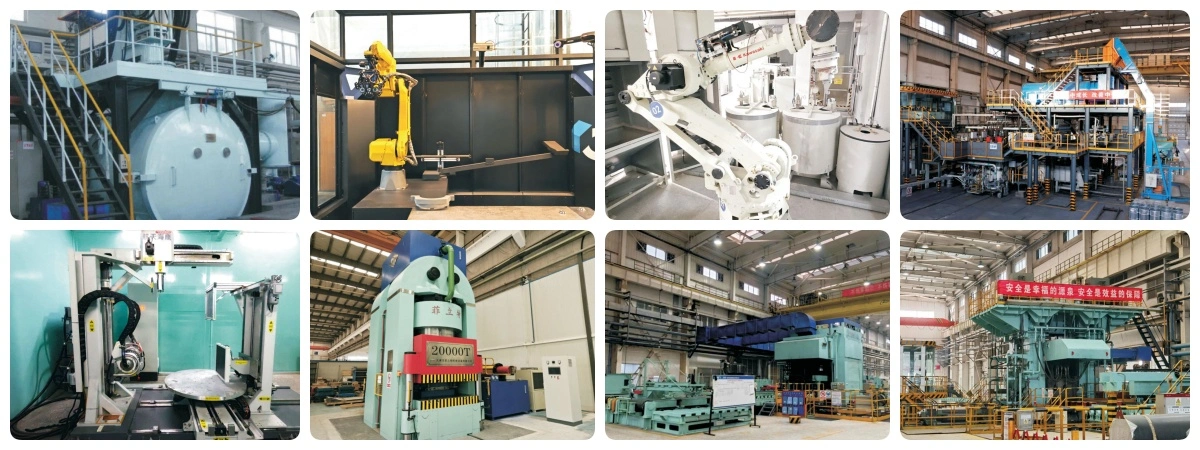
Originated from CSSC Luoyang Ship Material Research Institute, Sunrui Titanium has 60+ years of professional research and manufacturing experience in titanium materials and high-end special alloys. We hold authoritative global certifications including AS9100, NADCAP, PED, ABS, TUV and NORSOK, fully meeting the strict quality procurement standards of global high-end medical and industrial markets.
We support flexible OEM customized production and provide complete technical documents and quality certification reports. Our professional engineering team is deeply experienced in medical-grade implant material manufacturing, able to provide targeted solutions for customers' personalized structural and performance requirements.
FAQ
Q1: What industry standards do your CoCrMo knee joint materials comply with?
Our products strictly comply with YY 0117.3-2024, ASTM F75 and ISO 5832-4 standards, covering alloy chemical composition, microstructure and mechanical performance indicators for medical implant applications.
Q2: How is the biocompatibility of CoCrMo implant materials guaranteed?
All products pass full biocompatibility testing in accordance with ISO 10993 standards, including cytotoxicity, systemic toxicity and implantation tests, ensuring safe and long-term implantation in human body.
Q3: Are CoCrMo implants suitable for patients with metal allergies?
Standard CoCrMo alloy contains trace nickel. For patients with confirmed nickel hypersensitivity, we recommend customized nickel-free titanium alloy or zirconium oxide implant materials as alternative solutions.
Q4: What is the fatigue performance of your CoCrMo cast knee components?
All products are tested to withstand no less than 5 million standard physiological load cycles per ISO 14243 specifications, maintaining stable structure without fatigue failure for long-term service.
Q5: Do you support customized geometry and OEM production?
Yes. We provide full-custom geometric casting services and OEM batch production for global medical device manufacturers, with complete batch traceability documents and quality certificates delivered with each order.
Q6: What surface finish can be achieved for knee joint friction surfaces?
The femoral articulating surface can be precisely polished to mirror finish with Ra <0.05 μm, fully meeting the ultra-high tribological requirements of clinical knee replacement implants.
Contact Us
If you have parameter consultation, sample application, customized quotation and procurement demands for Artificial Knee Joints Material, please contact our professional technical team via srt@sunrui-ti.com.
