CoCrMo Forged Bars
Applications:
Medical: Orthopedic implants (hip stems, knee components), surgical instruments.
Dental: Crowns, bridges, partial denture frameworks.
Industrial: Valve bodies, pump components, turbine parts.
Specs: YY 0117.3-2024, ASTM F75, ISO 5832-4.
CoCrMo Forged Bars for Medical & Industrial Applications — High-Strength, Wear-Resistant Alloy Solutions
The professional thermomechanical forging process used to make CoCrMo Forged Bars meets all international standards, including ASTM F1537 and ISO 5832-12. These bars are made of quality, high-performance metal shapes. Our warm-worked bars have a composition of 26–30% chromium and 5–7% molybdenum. They have a tensile strength of over 1,172 MPa and a yield strength of over 827 MPa. Sunrui Titanium has been making alloys professionally for more than 60 years and has earned a number of important certificates, such as those from AS9100, NADCAP, and NORSOK. They offer quality CoCrMo Bars that are perfect for medical implants, dental replacements, and high-demand industrial equipment.
What Makes CoCrMo Forged Bars Different from Cast Alternatives?
When CoCrMo metal is forged, the internal structure and overall performance are fundamentally improved. Professional hot working and warm working improves the structure of the alloy's grains, making them denser and more evenly distributed. This gets rid of all the flaws that come with cast CoCrMo materials, like micro-pores and dendritic segregation.
This structural optimization makes the alloy much more resistant to fatigue and more stable overall. Forging bars can provide consistent and uniform microstructure performance that cast products can't, which is important for making sure that end components work properly for a long time. This is true whether they are used to make load-bearing orthopedic implant parts or high-pressure industrial valve parts.
Key Material Properties
The better performance of forged CoCrMo alloy bars comes from their stable chemical makeup and well-designed forging microstructure. These features have important practical benefits in medical and industrial settings, including:
- Hardness: It stays stable between 35 and 45 HRC, making the surface very durable for long-term use in friction and kinematic environments.
- Ultrahigh Tensile Strength: When finished goods are warm-worked, their tensile strength is higher than 1,172 MPa, which makes them suitable for working situations with a lot of weight.
- Resistance to Corrosion: A stable passive oxide film forms on the surface of the material, which effectively stops erosion in chloride environments and bodily fluids.
- Non-Magnetic Performance: It works perfectly with MRI machines and meets all the safety requirements for medical implants.
- Biocompatibility: It is non-toxic and does not cause blood clots, and long-term clinical application has shown that it is safe for humans to implant.
We offer two different carbon content specifications to fit a range of use cases:
High Carbon (HC): It has a lot of carbides and is great for parts that rub against each other in joints because it resists wear better than other metals.
Low Carbon (LC): This type of steel is better at being shaped and resisting cyclic fatigue, making it a good choice for parts that will be under repeated loads for a long time.
Technical Specifications
| Parameter | Details |
|---|---|
| Applicable Standards | ASTM F1537, ISO 5832-12, ASTM F75, ISO 5832-4, YY 0117.3-2024 |
| Chemical Composition (Cr) | 26–30% |
| Chemical Composition (Mo) | 5–7% |
| Balance Element | Cobalt |
| UTS (Warm-Worked) | >1,172 MPa |
| Yield Strength | >827 MPa |
| Hardness | 35–45 HRC |
| Grain Size (Typical) | ASTM Grade 5 or finer |
| Carbon Variants | LC (Low Carbon), HC (High Carbon) |
| Magnetic Properties | Non-magnetic |
Quality Control You Can Rely On
For all CoCrMo Forged Bars, we use full-process quality tracking instead of just final sample inspection. Strict multidimensional tests are done on every finished bar to make sure that the quality of each batch is stable and.
- Ultrasonic Testing (UT): Used according to the AMS 2631 standard for a full-volume check of the whole structure to make sure it is solid on the inside.
- Microstructural Evaluation: It was tested according to ASTM E112 to make sure it met the standards for fine and uniform grain structure.
- Optical Emission Spectroscopy (OES) Chemical Analysis: Checks all chemical parts to make sure they meet all the standards.
- Mechanical Performance Testing: This includes Rockwell hardness, tensile strength, and elongation tests to make sure that the mechanical indicators are accurate.
- Fluorescent Penetrant Inspection (FPI): Finds small surface flaws that happen during forging processing.
We give our customers full product tracking files and test results to help them meet their own quality standards and get government approval.

Where These Bars Are Used
CoCrMo Forged Bars metal bars are used to make high-precision and goods for use in medicine and industry. They offer specific performance benefits in a number of situations.
Usages in medicine
Orthopedic implants, like hip stems and knee joint parts, need to be able to handle millions of cycles of loads for a long time without wearing out or rusting. The thick and regular cast grain structure gives the implant enough mechanical strength and biocompatibility to last for a long time.
Uses in Dentistry
Dental crowns, bridges, and frameworks for removable dentures all have to work in mouths that are hard to clean because saliva wears away at them and you bite down on them, which causes friction. The high hardness and corrosion resistance of the alloy make sure that dental prosthetics will fit securely and last a long time.
Applications in Industry
High-pressure valve bodies, pump parts, and turbine parts work in harsh, corrosive, and heavy-duty industrial settings. Forged CoCrMo bars keep their shape and don't wear down easily, even when they're used in tough situations for a long time.

Why Source from Sunrui Titanium?
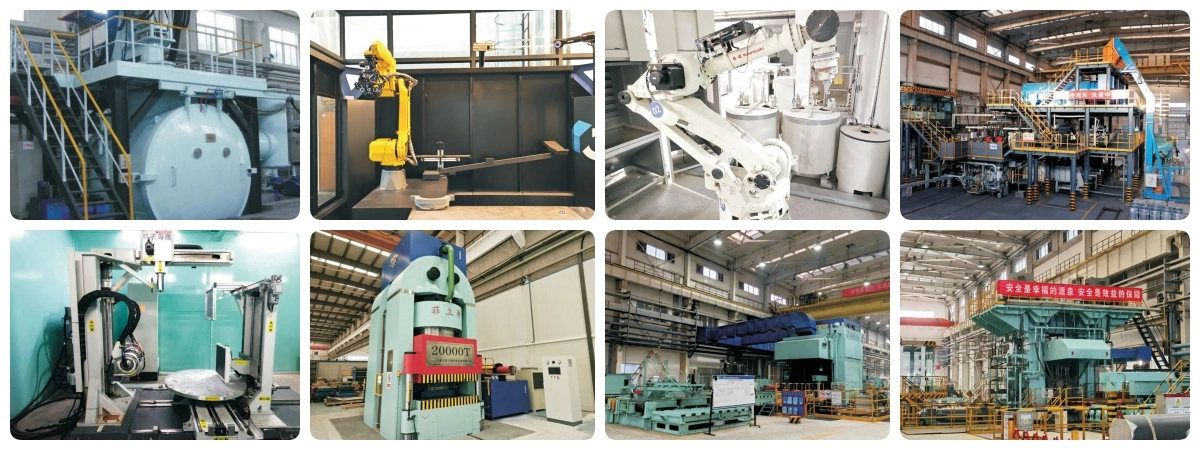
Derived from the professional titanium alloy R&D system of Luoyang Ship Material Research Institute (CSSC), Sunrui Titanium possesses professional research and manufacturing capabilities that distinguish it from ordinary commercial suppliers. With 60+ years of special alloy production experience, we have built a complete industrial chain covering raw material smelting, precision forging and finished product processing.
We support OEM customization and personalized dimensional processing, with stable inventory to meet sample testing and batch order demands. All products are backed by authoritative certifications including AS9100, NADCAP, PED, ABS, TUV and NORSOK. We provide full-cycle professional technical support and 12-month quality warranty for global customers.
FAQ
Q1: Why choose forged CoCrMo bars over titanium for joint articulating surfaces?
A: Titanium alloy features low elastic modulus but insufficient hardness and wear resistance. Forged bars deliver anti-friction performance, which can effectively avoid abrasive failure of metal contact surfaces and is more suitable for joint friction component manufacturing.
Q2: What is the difference between HC and LC variants?
A: High-carbon (HC) bars have richer carbide composition for wear resistance, ideal for friction working scenarios. Low-carbon (LC) bars offer better ductility and fatigue resistance, perfect for components bearing long-term cyclic loads.
Q3: How does forging the corrosion resistance of the alloy?
A: The forging process makes alloy elements distributed more uniformly, eliminating local potential difference defects of cast materials. It avoids pitting corrosion caused by galvanic cells and greatly improves overall corrosion stability.
Q4: Are your forged bars compatible with MRI examination?
A: Yes. Our forged bars are completely non-magnetic, fully meeting the MRI compatibility requirements of clinical medical implant materials.
Q5: What processing precautions are there for forged bars?
A: This alloy has a high work-hardening rate. It is recommended to match professional carbide tools and formulate reasonable cutting parameters to ensure machining accuracy and efficiency.
Q6: What certification documents can be provided with the goods?
A: We can provide complete material test reports, chemical composition analysis, mechanical performance data, UT/FPI inspection records and standard compliance certificates to support customer quality audit and registration.
Contact Us
For technical consultation, customized dimension solutions, and batch procurement of CoCrMo Forged Bars, please get in touch with our professional team via srt@sunrui-ti.com.
