GR2 Titanium Bar
Grades: Gr1, Gr2, Gr4, Gr5, Gr23
Diameter: 3.175 ~ 400 mm
Specs: ASTM B348, ASTM B381, ASTM F67, AMS 4928, GB/T 2965, ASTM F136
GR2 Titanium Bar for Corrosion-Resistant Industrial Applications — Precision-Made by Sunrui Titanium
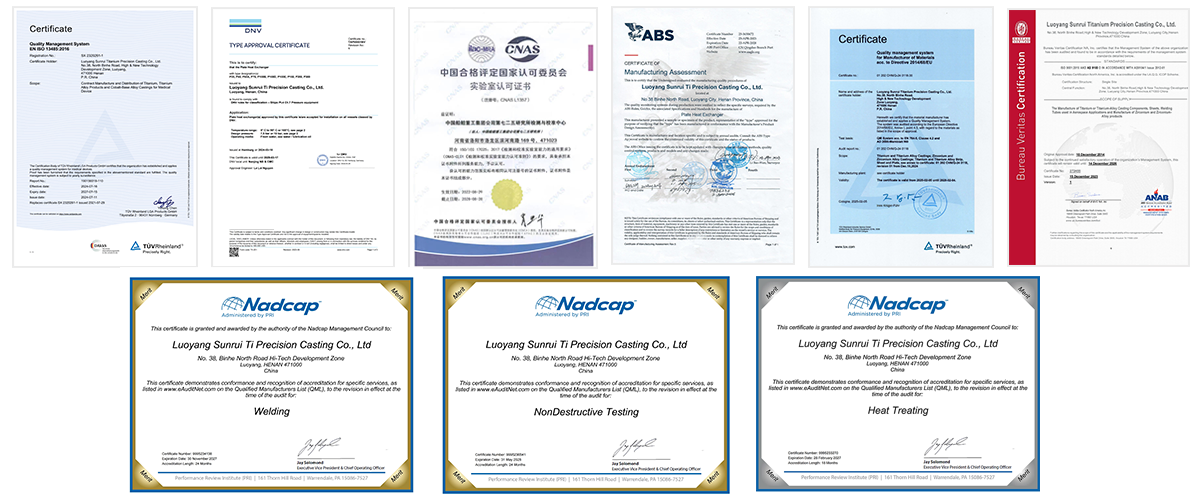
GR2 Titanium Bar is the most commonly used commercially pure titanium grade in the industrial sector. It was made by professionals to solve problems with rust failure and weight optimization in hard work settings. Titanium has a density of 4.51 g/cm³, which is more than 60% of regular steel. Sunrui Titanium sells round bars made of titanium that range in diameter from 3.175 mm to 400 mm. Our carefully bars are fully compliant with ASTM B348, ASTM F67, AMS 4928, and other major global industry standards. This is possible because we have been making titanium products for over 60 years and have earned certifications from AS9100, NADCAP, ABS, and NORSOK.
What Makes GR2 Titanium Bar Different from Other Grades?
Titanium Bar is UNS R50400 alpha-phase commercially pure titanium that doesn't have any aluminum, vanadium, or other alloying elements. It achieves consistent mechanical performance by carefully controlling interstitial elements like carbon, oxygen, nitrogen, and iron.
This recipe creates a single-phase alpha microstructure that is consistent. This gives GR2 Titanium Bar the right mix of modest structural strength and great flexibility. It has a minimum yield strength of 275 MPa and works well for cold forming and welding. This is something that the high-strength GR5 (Ti-6Al-4V) alloy titanium can't do.
This is a great alternative to 304 and 316L stainless steel, which rusts and cracks in harsh conditions. It works well in high-chloride seawater, reacting acid liquid, wet chlorine gas, and metal chloride media without being as expensive or hard to machine as palladium-alloyed titanium grades.
Technical Specifications
| Parameter | Details |
|---|---|
| Grade | Gr1, Gr2, Gr4, Gr5, Gr23 |
| Diameter Range | 3.175 mm – 400 mm |
| Density | ~4.51 g/cm³ (approx. 60% of steel) |
| Microstructure | Alpha-phase (single-phase) |
| Min. Yield Strength | ≥ 275 MPa |
| Max. Service Temp. | Up to 425°C (oxidation-resistant) |
| Standards | ASTM B348, ASTM B381, ASTM F67, AMS 4928, GB/T 2965, ASTM F136 |
| Customization | OEM available; cut-to-length and surface finishing supported |
Key Performance Advantages
Resistance to Corrosion: The best thing about GR2 pure titanium is that it doesn't rust. Different from 316L stainless steel, it does not rust or pit in seawater or acidic conditions. It makes it much less often that equipment needs to be replaced and lowers the total cost of lifecycle maintenance for chemical and marine engineering projects.
Higher Strength-to-Weight Ratio: GR2 Titanium Bar is about 45% lighter than regular steel, with a mass of 4.51 g/cm³. The low weight and high strength make it very useful for parts of aerospace equipment, marine hardware, and car transmissions that need to stay under strict weight limits.
Weldability and Formability: Its alpha-phase structure allows for free cold forming without cracking. By not having to heat treat the metal after TIG and MIG welding, processing makers can cut down on total manufacturing costs and speed up production processes.
GR2 titanium is a material for LNG processing and gas transportation equipment because it keeps its high level of structural toughness at freezing temperatures. This is different from carbon steel, which breaks down in cold places.
Trustworthy Biocompatibility: GR2 titanium, which meets the ASTM F67 standard, is safe, non-magnetic, and non-toxic, and it is often used to make dental implants, surgical tools, and other precise parts for medical devices.
Titanium reacts easily with oxygen, nitrogen, and carbon, and it is chemically active when it is hot. For the material to keep its shape and performance during cutting and welding, it needs to be properly shielded with inert gas and the process must be controlled evenly.
Where Is GR2 Titanium Bar Used?
Chemical and Petrochemical Processing: It's great for making parts for heat exchangers, pumps, valve stems, and reactor fittings. It steadily resists wear from oxidizing acid and chloride-containing process fluids for long periods of time.
Used for marine fasteners, connecting parts, and structural accessories that are submerged in water for a long time in marine and offshore engineering. It fully fixes the problem of rust failure that naval conditions make it impossible for stainless steel to avoid.
Non-Structural Aerospace Components: These are good for brackets that need to be light, sensor housings, and parts of fluid systems. It meets normal strength standards and is optimized for weight, so it can be used instead of GR5 alloy titanium without spending as much.
Medical Implants and Devices: ASTM F67 certified titanium bars are often used to make surgical tools, orthopedic accessories, and dental parts. These bars meet all the biocompatibility and nonmagnetic requirements that are needed in medical situations.
Power generation and desalination: Because it doesn't rust or break down over time, it is the best material for condenser tubes, pump parts, and flange fittings in power plants and facilities that desalinate seawater.

Quality Control and Supply Assurance
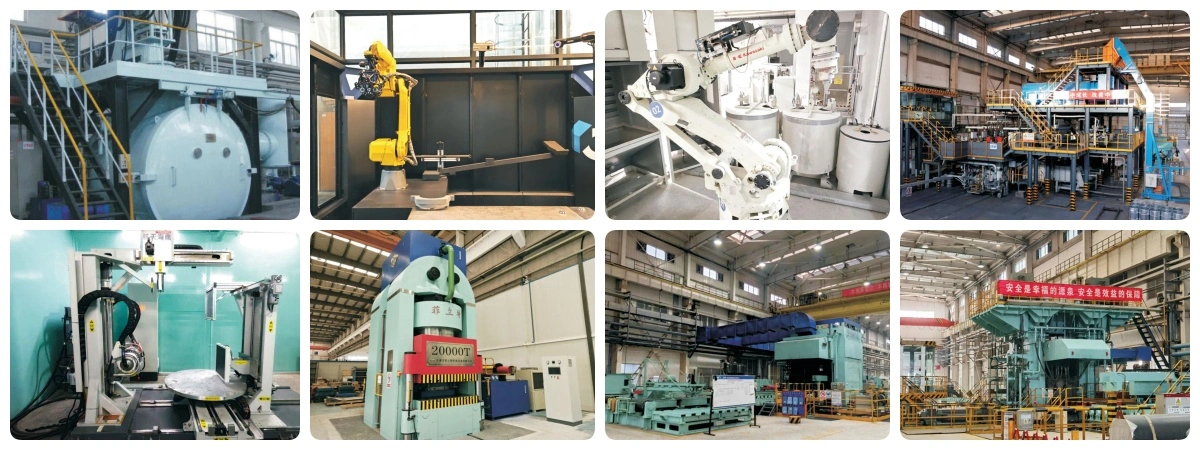
Every product that Sunrui Titanium makes goes through full-process quality supervision. We carefully check each batch of products for flaws using ultrasonic waves, as well as their dimensions and surface roughness. We keep full records of the materials used to back up our quality assurance.
When there are enough semi-finished products in stock, delivery times stay stable, even for bulk orders of a lot of items. Since 2010, we've built a full, integrated industrial chain that includes titanium sponge raw materials, melting ingots, and processing finished bars. This way, we can control quality and make sure we have enough supplies at all times.
Some of the valid and official certificates we have are from AS9100, NADCAP, PED, ABS, TUV, and NORSOK. For customers' peace of mind, every order comes with a 12-month warranty and professional technical support 24 hours a day, 7 days a week.
FAQ
Q1: What diameter sizes of titanium bar can you supply?
A1: Our standard supply diameter range is 3.175 mm to 400 mm. We also provide customized length cutting and surface finishing services according to customer requirements.
Q2: What industry standards do your GR2 titanium products comply with?
A2: Our products are manufactured in strict accordance with ASTM B348, ASTM B381, ASTM F67, AMS 4928, GB/T 2965 and ASTM F136 standards, supporting customized standard production for different regional markets.
Q3: What are the differences between GR2 and GR5 titanium in machining performance?
A3: GR2 pure titanium features better machinability and cold formability without heat treatment processing, causing less tool wear. It is more cost-effective for conventional parts such as pump shafts, fasteners and valve stems compared with high-strength GR5 alloy titanium.
Q4: Is Titanium bar applicable for medical implant production?
A4: Yes. GR2 titanium that meets ASTM F67 standards is non-toxic and non-magnetic with biocompatibility, widely used in medical instruments and implant component manufacturing.
Q5: Does GR2 titanium require post-weld treatment?
A5: GR2 supports TIG and MIG welding without mandatory post-weld heat treatment. However, continuous inert gas shielding is required during welding to avoid high-temperature oxidation and ensure welding quality.
Q6: Do you support OEM and customized specifications?
A6: Yes. We provide full OEM customization services, including customized diameters, lengths, surface treatments and certification documents to meet diverse procurement needs of global customers.
Contact Us
If you are looking for high-corrosion-resistance, high-precision GR2 Titanium Bar for industrial, marine, medical and aerospace projects, please contact our professional team via srt@sunrui-ti.com.
