Medical Titanium Bar
Grades: Gr1, Gr2, Gr4, Gr5, Gr23
Diameter: 3.175 ~ 400 mm
Specs: ASTM B348, ASTM B381, ASTM F67, AMS 4928, GB/T 2965, ASTM F136
Medical Titanium Bar for Surgical Implants — Biocompatible, Precision-Grade Raw Material Solutions
Luoyang Sunrui Titanium Precision Casting Co., Ltd. makes Medical Titanium Bar that is perfect for production of surgery tools and implants. We have been making titanium products for more than 60 years and offer round bars in different grades, such as Gr1, Gr2, Gr4, Gr5, and Gr23, with diameters ranging from 3.175 mm to 400 mm. With a density of 4.51 g/cm³, which is almost 40% less than regular steel, the product has great strength-to-weight performance. Our precision titanium bars are fully compliant with ASTM F136, ASTM F67, AMS 4928, and other major international standards. They also meet the strict biocompatibility and dimensional accuracy requirements of medical device manufacturers around the world.
What Makes Medical-Grade Titanium Bar Different?
Industrial titanium materials and medical-grade titanium bars are very different in terms of quality and how they are made, which is very important for getting the raw materials for surgery implant goods. The rules for making and inspecting medical titanium products are much tighter.
Precision vacuum arc remelting (VAR) and normal thermomechanical processes are used to make Grade 23 (Ti-6Al-4V ELI) and Grade 4 commercially pure titanium in the Premium Medical Titanium Bar. This well-developed production method makes sure that finished products have a uniform microstructure and no internal flaws. We keep a close eye on intermediate elements like carbon, nitrogen, and oxygen. Titanium is very active at high working temperatures, and too many flaws in the material will make it brittle and less resistant to wear, which can be dangerous for implant parts that hold weight.
Standardized production and tight control over each component give the material steady fracture hardness, great flexibility, and uniform mechanical qualities. It meets all the safety and performance standards needed for human implant uses.
Core Material Advantages for Medical Applications
Titanium can naturally form a thick and solid TiO2 oxide passivation layer, which makes it better for living things. In the body of a human, this protective layer stays chemically inert, which stops the formation of metal ions and prevents allergic reactions or immune system rejection. This benefit guaranties long-term tissue compatibility and greatly lowers the chance of having to have another surgery to fix hip implants, spine fixation devices, and oral prostheses.
Stress Shielding: One common problem with stainless steel implants is that they can cause stress shielding. Most of the mechanical stress is supported by steel implants that are too stiff, which slowly breaks down the bone around them. Titanium has an elastic stiffness of about 110 GPa, which is much closer to human cortical bone than cobalt-chrome metals and stainless steel (200 GPa). The service life of implants is successfully extended, and this improved biomechanical compatibility helps the bone heal normally.
Strength-to-Weight Ratio: Medical Titanium Bar is made to be light while still having a high tensile strength and a low density of 4.51 g/cm³. When used on load-bearing orthopedic devices like hip stems, bone screws, and intramedullary nails, it effectively reduces patient pain and physical strain.
Corrosion Resistance in Body Fluids: Most metals can be worn down by the complex corrosive environment found in bodily fluids, which are full of chloride ions. Medical titanium is completely harmless to living things because its surface is solid and doesn't let metal ions out during weathering. This means that it can't be dangerous to the body as a whole.
Medical Titanium Bar Specifications
| Parameter | Details |
|---|---|
| Available Grades | Gr1, Gr2, Gr4, Gr5 (Ti-6Al-4V), Gr23 (Ti-6Al-4V ELI) |
| Diameter Range | 3.175 mm – 400 mm |
| Density | Approximately 4.51 g/cm³ |
| Applicable Standards | ASTM B348, ASTM B381, ASTM F67, ASTM F136, AMS 4928, GB/T 2965 |
| Key Medical Grades | Gr4 (CP Titanium), Gr23 (ELI — Extra Low Interstitial) |
| Surface Condition | Customizable per machining requirements |
| Customization | OEM dimensions and tolerances available |
Applications in the Medical Industry
Medical titanium is one of the main raw materials used to make many high-precision medical implants and surgery tools. Through professional CNC machining and forging processes, they can be turned into finished medical parts.
Orthopedic Implants: Grade 5 and Grade 23 titanium are commonly used for hip stems, knee joint parts, bone plates, and bone screws because they are very strong and don't react badly with the body.
Spinal Fixation Systems: Pedicle screws made of titanium bars and spinal rods provide stable structural support. They can adapt to the spine's long-term cyclic load changes and ensure a safe and fixation effect.
Dental Prosthetics and Abutments: For dental implants and abutments, Gr1 to Gr4 commercially pure titanium grades are best. Their surface osseointegration makes it easier for dental prosthetics to fit and work better.
Intramedullary Nails and Trauma Fixation: Medical titanium is great for making long bone repair and trauma fixation devices because it is lightweight and doesn't wear down easily.
surgery Tools: Titanium bars are also commonly used to make a wide range of non-implant surgery tools because they are very resistant to rust and can be sterilized over and over again.

Quality Control and Supply Reliability
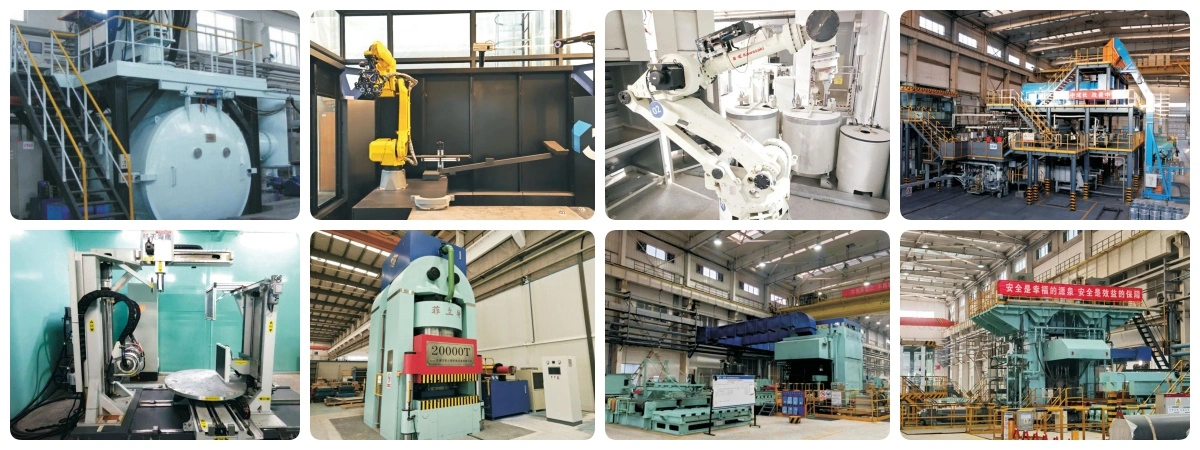
Sunrui Titanium is equipped with complete advanced production and testing equipment, including EB smelting furnaces, 1500kg vacuum casting furnaces, professional forging production lines and high-precision ultrasonic testing systems. We implement full-process quality monitoring and complete material traceability for every order to ensure stable and qualified product quality.
Our company holds authoritative international certifications such as AS9100, NADCAP, PED, ABS, TUV and NORSOK. All product certification documents fully meet the strict regulatory audit requirements of the medical device industry.
We maintain sufficient semi-finished product inventory to support large-volume batch procurement. Customized global logistics and door-to-door delivery services are available. Meanwhile, we provide 12-month product warranty and one-stop professional technical consultation throughout the cooperation cycle.

FAQ
Q1: What is the difference between Grade 5 and Grade 23 biomedical-grade titanium rod?
A1: Both grades share the same Ti-6Al-4V alloy composition. Grade 23 adopts ELI ultra-low interstitial design with stricter control of oxygen, nitrogen and iron content, delivering better ductility and fracture toughness, making it more suitable for implantable medical devices than standard Grade 5.
Q2: What standards apply to implant-grade titanium rod orders?
A2: Implant-grade pure titanium complies with ASTM F67, while ELI alloy titanium follows ASTM F136. AMS 4928 is also applicable for medical and aerospace dual-use Grade 5 materials. We can provide full standard compliance certification.
Q3: What diameter sizes of biomedical titanium rod can you supply?
A3: Our supply diameter ranges from 3.175 mm to 400 mm, covering small-size blanks for dental implants and large-diameter raw materials for orthopedic components, with customized size support.
Q4: Do you support OEM customized titanium rod production?
A4: Yes. We provide full customized services for dimensions, tolerance accuracy and surface conditions to match customers’ subsequent machining and forging production needs.
Q5: How do you guarantee the biocompatibility of implant-grade titanium rod?
A5: All products are produced under strict vacuum processing with controlled interstitial elements. Each batch undergoes professional testing and verification to meet corresponding ASTM and AMS medical-grade standards, with complete batch traceability before delivery.
Q6: What are the order lead times?
A6: The lead time varies according to grade, specification and order quantity. Sufficient spot inventory greatly shortens delivery cycles. You can contact our team for accurate delivery scheduling.
Contact Us
If you are in need, standard-certified Medical Titanium Bar for surgical implant and medical device projects, please reach out to our professional team via srt@sunrui-ti.com.
