Titanium Artificial Limb Accessories
Grades: Gr2, Gr3, Gr5, Gr12
Minimum casting wall thickness: 0.4mm
Maximum casting size: φ 1500mm × 600mm
Casting weight: 0.1~100kg
Surface finish: Ra3.2~6.3μm
Standards: BMS 7-310, BMS 7-336, ASTM B367, GBIT 15073, GB/T 6614, GJB 2896A-2007, YY0117.3-2005, YY0117.1-2005
Titanium Artificial Limb Accessories — Precision Titanium Prosthetic Components for Mobility Solutions
Titanium Artificial Limb Accessories have become the industry standard for current prosthetic equipment due to their high biocompatibility, structural performance, and long-term service durability. Sunrui Titanium manufactures using medical grade titanium Gr1, Gr2, Gr3 and Gr23. It has been manufacturing titanium professionally for almost 60 years. The casting wall thickness of our products is above 0.4mm, the weight of a single piece of casting is from 0.1 kg to 100 kg, and the surface roughness is controlled between 3.2 and 6.3μm. All manufacturing procedures are strictly in line with significant standards such as YY0117.1-2005, YY0117.3-2005, ASTM B367, and GJB 2896A-2007. Thus, we are capable of producing parts that are very precise and dependable for medical prosthetic companies and clinical institutes across the globe.
What Makes Titanium the Right Choice for Prosthetic Components?
Titanium metal is the greatest material for high-end prosthetic parts, due to its extremely strong performance advantages across the board. It has a density of 4.43 g/cm3, which is approximately 40% lighter than stainless steel. The tensile strength is nonetheless remains 860–960 MPa. The design is weightless to efficiently reduce users’ walking weariness and cardiovascular strain, making everyday mobility and wearing comfort considerably better.
In contrast, titanium may form a thick, self-healing TiO2 oxide coating on its surface, whereas stainless steel is prone to rusting and corrosion. Titanium Artificial Limb Accessories feature a surface that will not wear away over time from perspiration, salt water and chlorine. This implies they may be used for everyday showering, water sports and in high-humidity coastal locations.
Titanium's elastic value is roughly 110 GPa, substantially less than steel's 200 GPa. Walking and striding are cushioned and shock-absorbing, which reduces pressure on joints and makes walking more natural and pleasant for persons of all mobility levels. Titanium also osseointegrates extremely well, which means that it may create a strong link with human bone cells. This makes it a good material for artificial joints, artificial limbs and artificial holes that carry weight.
Titanium Artificial Limb Accessories Specifications
| Parameter | Details |
|---|---|
| Grade | Gr1, Gr2, Gr3, Gr23 |
| Min. Casting Wall Thickness | 0.4 mm |
| Max. Casting Size | φ 1500 mm × 600 mm |
| Casting Weight | 0.1 – 100 kg |
| Surface Roughness | Ra 3.2 – 6.3 μm |
| Executive Standards | BMS 7-310, BMS 7-336, ASTM B367, GB/T 15073, GB/T 6614, GJB 2896A-2007, YY0117.3-2005, YY0117.1-2005 |
Key Material Advantages
Specific Strength
Titanium alloy has the best of both worlds: it is strong and light. It effectively lowers the overall load of prosthetic equipment without lowering the structural bearing capacity. This makes it much more comfortable to wear and helps users exercise more freely.
Better resistance to corrosion
The self-healing TiO2 layer protects against corrosion for a long time from body fluids, sweat, and different types of environmental media. Even in difficult working situations, the parts can keep their stable look and structural stability for years.
resistance to fatigue and creep
During service, prosthetic parts have to handle millions of cycles of weight. Titanium's high fatigue resistance effectively prevents micro-cracks, structural deformation, and aging failure that are caused by repeated long-term stress. This means that Titanium Artificial Limb Accessories will work reliably for a long time.
Performance that stays stable at high and low temperatures
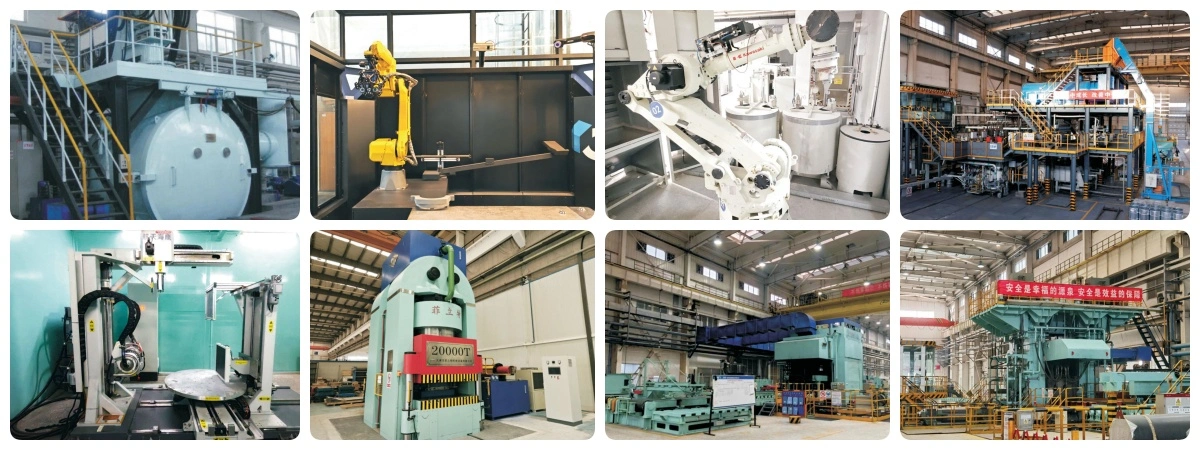
Titanium reacts easily with oxygen, nitrogen, and carbon when it is heated up to very high temperatures. Sunrui Titanium has 1500kg large-capacity vacuum casting furnaces that keep out any contaminated air during high-temperature processing, keep the pure properties of the material, and make sure that finished products always have the same mechanical performance.
Applications Across Prosthetic Use Cases
High-Impact Athletic Prosthetics
Designed for K3 and K4 people with a lot of movement who need to run, jump, and do high-intensity exercises. Titanium adapters and fittings for prosthetics can handle very high impact forces without breaking. They are also much more than traditional stainless steel parts in high-load sports situations.
Water and Coastal Environments
Chloride corrosion is a common hidden risk for people who use prosthetics and swim, bathe, or work in water. Titanium is naturally resistant to chloride corrosion, which means that it doesn't pit, rust, or become structurally weak after being in water for a long time. This makes it useful in all kinds of humid and water-based living and working situations.
Mobility issues for older people and clinical B2B settings
clinical buying and therapy for the old, lightweight titanium replacement parts work well to make walking easier on the body and heart. Medical institutions generally agree that lighter equipment makes patients much more willing to move around and helps with rehabilitation.

Quality Control and Inspection Standards
Sunrui Titanium has a complete multi-level quality assurance system for all of its products to fulfill the high safety and security criteria of medical prostheses.
Ultrasound Flaw Detection: Check for internal holes, microscopic fractures and other probable faults to eliminate hidden hazards of structural collapse in use.
Dimensional Inspection using a CMM: Verify the quality of the interfaces between the pieces to make sure that the modular prosthetic components fit snugly, with no gaps, so they don’t loosen up during movement.
Analytical Spectroscopy: Rigorously verify the purity of the titanium alloy grade, remove hazardous trace impurities, and ensure the material is biocompatible and conforms to medical requirements.
Testing the Surface Roughness: Maintain the surface Ra value at between 3.2 and 6.3μm to reduce stress concentration points and prevent rubbing injury to the residual limb tissue.
We provide thorough tracking of items throughout the entire process and full inspection records. All batches of goods may provide B-end customers with standard quality verification reports with the certifications of AS9100, NADCAP, TUV, ABS and other credible authorities.

FAQ
Q1: What titanium grades are available for prosthetic limb accessories?
A: We provide Gr1, Gr2, Gr3 and Gr23 medical-grade titanium materials. Among them, Gr23 (Ti-6Al-4V ELI) features ultra-high biocompatibility and fatigue resistance, making it the preferred material for high-end medical prosthetic components.
Q2: Are titanium prosthetic parts compatible with MRI scanning?
A: Yes. Titanium is non-ferromagnetic and will not produce magnetic field reaction during MRI scanning, achieving true MRI compatibility, with only minor local image artifacts possibly appearing.
Q3: Titanium vs carbon fiber for prosthetic components?
A: Titanium is more suitable for connectors, thread structures and adapter parts due to impact toughness and thread stability. Carbon fiber is better for main support pylons. Most high-performance prosthetics adopt a composite combination of the two materials.
Q4: What is the inspection and replacement cycle for titanium prosthetic parts?
A: Professional inspection is recommended every 6–12 months. All components need timely inspection and replacement after severe impact, even if no visible damage is found.
Q5: Do you support custom prosthetic component geometries?
A: Absolutely. With 0.4mm ultra-thin wall casting capability and a maximum processing size of φ1500mm × 600mm, we support full OEM personalized customization of various non-standard prosthetic part structures.
Q6: What industrial standards do your products comply with?
A: Our products comply with Chinese medical standards YY0117.1-2005, YY0117.3-2005 and international standards including ASTM B367, GJB 2896A-2007, BMS 7-310 and BMS 7-336, meeting medical and aerospace dual standard requirements.
Contact Us
If you are looking for stable and suppliers of customized Titanium Artificial Limb Accessories for prosthetic product line upgrading and batch procurement, please feel free to contact our professional team via srt@sunrui-ti.com.
