Chemical Processing Titanium Plate
Slab
Forged slab: (70~300)x1400x10000
EB ingot: 200x1290/1090x(1000~6200)
Hot rolled plate: (2.5~60)x(600~2500)x(1000~8000)
Cold rolled plate: (0.4~4.0)x(600~2500)x(1000~4000)
Hot rolled coil: (3.0~12)x(1000-1500), max coil weight 7 ton
Cold rolled coil: (0.4~4.0)x(1000~1500), max coil weight 6 ton
Grades: GR1, GR2, GR3, GR4, GR5, GR6, GR7, GR9(AB-5), GR12, Ti-811, Ti-15333, SP- 700, Ti-6242, etc.
Specification: GB, GJB, ASTM, ASME, AMS, DIN, JIS standards or industry standards and enterprise standards
Chemical Processing Titanium Plate for Aggressive Environments — Precision-Engineered Corrosion Solutions
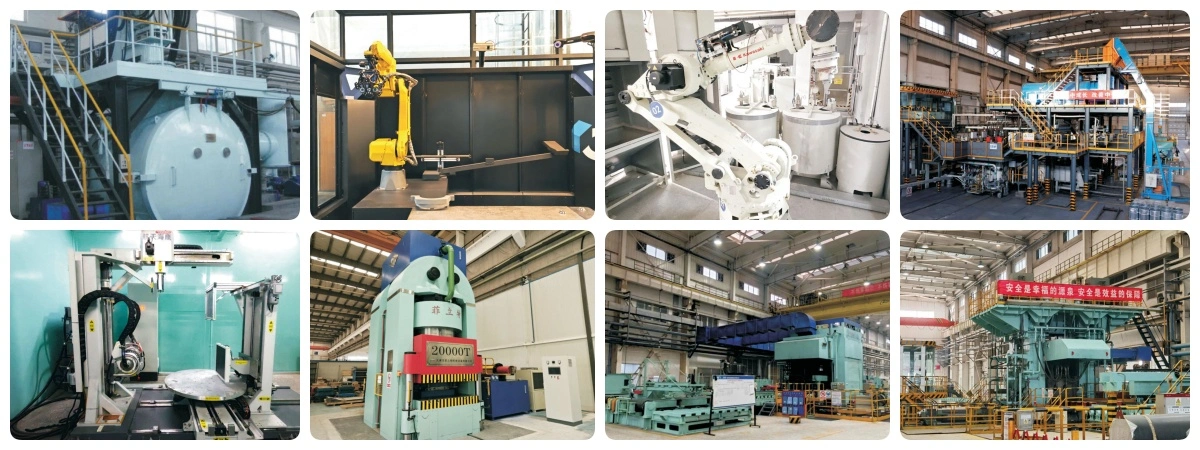
Sunrui Titanium’s Chemical Processing Titanium Plate is skillfully designed to endure the extreme chemical industrial environments in which conventional steel materials fail prematurely. With over 60 years of specialized knowledge in the manufacture of titanium we can deliver a complete variety of hot and cold rolled titanium plates. Hot rolled specs are available in thickness from 2.5 mm to 60 mm. Cold rolled plates are available from 0.4 mm to 4.0 mm. Maximum width is 2500 mm, length up to 8000 mm. Our major grades are GR1, GR2, GR7 and GR12. The whole process from in-house smelting to final finishing is done in-house. Our Titanium Plate complies with international standards like ASTM, ASME, GB, AMS and other standards, and provides more durability and stability than stainless steel in harsh chemical processing applications.
What Makes Chemical Processing Titanium Plate the Right Choice?
Chemical companies face significant safety concerns as well as expensive maintenance and replacement costs due to equipment corrosion and failure. Over time, pitting, stress corrosion cracking, and catastrophic failure in hostile conditions can occur in carbon and stainless steel.
Titanium provides stable, long-lasting protection against oxidizing acids, wet chlorine gas, brine, and chlorides through a self-healing TiO₂ passive coating that quickly heals when damaged. This prolongs equipment life and prevents unplanned stoppages due to material breakdown.
Titanium is the preferred material for core equipment in high-corrosion chemical industries including hydrometallurgy, PTA, and chlor-alkali because of this intrinsic benefit.
Grade Selection Guide
Selecting a matched titanium grade is key to optimizing equipment performance and cost. Below are the most commonly used grades for chemical processing applications and their applicable scenarios:
Grade 2 (GR2): Non-alloy pure titanium with ductility and corrosion resistance. It is the universal grade for conventional chemical processing, widely used in heat exchangers and pressure vessels with a working temperature below 315°C, fully complying with ASME Section VIII standards.
Grade 7 (GR7): Contains 0.12–0.25% palladium element, which enhances crevice corrosion resistance. It performs excellently in low-pH reducing acid environments with insufficient oxygen supply, suitable for extreme corrosive working conditions where GR2 is inadequate.
Grade 12 (GR12): Optimized alloy formula with higher structural strength and medium corrosion resistance, adapting to more complex and aggressive industrial chemical environments.
If you have doubts about grade matching for your project, feel free to contact our technical team via srt@sunrui-ti.com for free professional application consultation.
Chemical Processing Titanium Plate Specifications
| Parameter | Details |
|---|---|
| Forged Slab | (70–300) × 1400 × 10000 mm |
| EB Ingot | 200 × 1290/1090 × (1000–6200) mm |
| Hot Rolled Plate | (2.5–60) × (600–2500) × (1000–8000) mm |
| Cold Rolled Plate | (0.4–4.0) × (600–2500) × (1000–4000) mm |
| Hot Rolled Coil | (3.0–12) × (1000–1500) mm, max 7 tons |
| Cold Rolled Coil | (0.4–4.0) × (1000–1500) mm, max 6 tons |
| Available Grades | GR1, GR2, GR3, GR4, GR5, GR6, GR7, GR9 (AB-5), GR12, Ti-811, Ti-15333, SP-700, Ti-6242 |
| Standards | GB, GJB, ASTM, ASME, AMS, DIN, JIS, and enterprise standards |
Industrial Applications
Chlor-Alkali Electrolysis
Titanium plates serve as the base material for dimensionally stable anodes (DSA) in chlor-alkali production, and are also widely used in frame-type heat exchangers. They stably resist long-term erosion of hot brine and wet chlorine gas, effectively protecting the purity of caustic soda Chemical Processing Titanium Plate and avoiding rapid aging and failure of stainless steel equipment.
PTA (Purified Terephthalic Acid) Production
PTA plant reactors and distillation columns operate in high-temperature acetic acid and bromide environments for a long time. Our chemical titanium plates maintain stable structural performance under extreme working conditions, with verified actual service life exceeding 20 years in industrial supporting facilities.
Hydrometallurgical Autoclaves
In gold mining and ore HPAL high-pressure acid leaching processes, titanium plates are used for autoclave lining and agitator manufacturing. They withstand the dual impact of high temperature and high pressure as well as hot sulfuric acid slurry containing heavy metal ions, which cannot be achieved by most conventional metal materials.
Petrochemical Plate Heat Exchangers
Cold rolled Chemical Processing Titanium Plate with 2B and bright annealing smooth surface finishes reduce scale accumulation and biological fouling on heat transfer surfaces. It effectively improves the heat exchange efficiency of organic synthesis and solvent treatment systems, and reduces equipment cleaning frequency and production downtime.

Quality Control and Manufacturing Capability
Every finished plate undergoes strict ultrasonic non-destructive testing, full dimensional inspection and complete traceability file recording before delivery. We hold authoritative certifications including AS9100, NADCAP, PED, ABS, TUV and NORSOK, fully meeting the qualification requirements of regulated chemical industries.
We support OEM customization and non-standard specification production. Sufficient semi-finished product inventory ensures stable and fast delivery for both small-batch trial orders and large-volume bulk orders.

FAQ
Q1: What is the difference between GR2 and GR7 for chemical applications?
A: GR2 is the standard grade for general chemical corrosion resistance with cost-effective performance. GR7 contains palladium, delivering stronger crevice corrosion resistance, especially suitable for low-pH reducing acid environments where ordinary pure titanium cannot work stably.
Q2: Can titanium plates be used in hydrofluoric acid environments?
A: No. Fluoride ions will quickly destroy the titanium oxide protective film, resulting in rapid material corrosion. Titanium is not applicable for direct hydrofluoric acid contact. Our team can recommend alternative materials for such working conditions.
Q3: What are the core welding requirements for chemical titanium plates?
A: Titanium welding must be completed under high-purity argon shielding to prevent oxygen and nitrogen contamination that causes weld embrittlement. We provide professional standardized welding process guidance and technical support.
Q4: Which surface finish is suitable for heat exchanger equipment?
A: 2B cold rolled finish or bright annealed finish is preferred. The smooth surface reduces fouling and scale deposition, improves heat transfer efficiency and extends equipment maintenance cycles.
Q5: What is the maximum service temperature of GR2 titanium pressure vessels?
A: In accordance with ASME Section VIII standards, GR2 titanium pressure vessels are stably applicable at a maximum temperature of 315°C, avoiding performance attenuation caused by high-temperature creep.
Q6: Do you support custom sizes and special grades?
A: Yes. We provide full customized OEM services for special dimensions, non-standard sizes and exclusive grades to meet personalized project requirements.
Contact Us
If you are looking for long-service-life Chemical Processing Titanium Plate for chemical and petrochemical projects, please contact our professional team via srt@sunrui-ti.com.
