Skull Titanium Plate
Slab
Forged slab: (70~300)x1400x10000
EB ingot: 200x1290/1090x(1000~6200)
Hot rolled plate: (2.5~60)x(600~2500)x(1000~8000)
Cold rolled plate: (0.4~4.0)x(600~2500)x(1000~4000)
Hot rolled coil: (3.0~12)x(1000-1500), max coil weight 7 ton
Cold rolled coil: (0.4~4.0)x(1000~1500), max coil weight 6 ton
Material Grade: GR1, GR2, GR3, GR4, GR5, GR6, GR7, GR9(AB-5), GR12, Ti-811, Ti-15333, SP- 700, Ti-6242, etc.
Specification: GB, GJB, ASTM, ASME, AMS, DIN, JIS standards or industry standards and enterprise standards
Skull Titanium Plate for Cranioplasty — Medical-Grade Titanium Solutions for Neurosurgical Reconstruction
Skull Titanium Plate is a professional neurosurgical implant material particularly created for cranioplasty . It is most often utilized to repair skull defect after head trauma, tumor removal and decompressive craniectomy. The material is medical-grade GR2 pure titanium or titanium alloy Ti-6Al-4V ELI, which can reliably preserve the cranial structure, restore normal intracranial pressure and accurately suit the anatomical shape. Sunrui Titanium, with more than 60 years’ experience in professional titanium manufacturing and complete industrial chain from titanium sponge to finished implants, stably supplies qualified Titanium Plate materials to global medical device manufacturers, surgical instrument suppliers and implant OEM clients.
What Makes a Skull Titanium Plate Different from Other Cranial Materials?
Autologous bone grafts and PMMA bone cement are common materials used for cranial repair, however they have apparent limits in application. Autologous bone grafts are associated with a significant risk of bone resorption. PMMA materials generate exothermic reactions during implantation, which might influence the safety of the surgery. In contrast, titanium cranial implant materials have a well-balanced and steady complete performance in long-term clinical usage.
Technical Specifications
Sunrui Titanium provides medical-grade titanium slabs, plates, strips and coils in complete specifications, fully compliant with ASTM, ASME, AMS, GB, GJB, DIN, JIS and other international standards to meet diverse processing needs of medical implant manufacturers.
| Product Form | Specification Range |
|---|---|
| Forged Slab | (70–300) × 1400 × 10000 mm |
| EB Ingot | 200 × 1290/1090 × (1000–6200) mm |
| Hot Rolled Plate | (2.5–60) × (600–2500) × (1000–8000) mm |
| Cold Rolled Plate | (0.4–4.0) × (600–2500) × (1000–4000) mm |
| Hot Rolled Coil | (3.0–12) × (1000–1500) mm, max coil weight 7 ton |
| Cold Rolled Coil | (0.4–4.0) × (1000–1500) mm, max coil weight 6 ton |
| Material Grades | GR1, GR2, GR3, GR4, GR5 (Ti-6Al-4V), GR6, GR7, GR9 (AB-5), GR12, Ti-811, Ti-15333, SP-700, Ti-6242, etc. |
| Standards | GB, GJB, ASTM, ASME, AMS, DIN, JIS, and enterprise standards |
For cranial repair implant scenarios, GR2 pure titanium and GR5 Ti-6Al-4V ELI are the most widely used grades. GR2 titanium features formability and biocompatibility, ideal for conventional mesh implants; Ti-6Al-4V ELI alloy higher mechanical strength, suitable for personalized cranial reconstruction projects requiring strong structural bearing capacity.
Applications: Where Titanium Cranial Plates Are Used
Skull titanium plates are generally used in precision neurosurgical reconstruction situations, alleviating the clinical issue of cranial defect loss and providing the long-term stable implantation impact.
Post-traumatic Cranioplasty: This is the most frequent indication. When cerebral edema decreases after craniocerebral trauma, skull abnormalities are corrected with conventional or mesh titanium plates, restoring the integral protective structure of the skull and protecting brain structures from external injury.
Oncological Skull Reconstruction: Used for skull reconstruction following removal of benign or malignant tumors in frontal, temporal and parietal bone regions. According to the machining performance, the titanium materials may be accurately molded to suit the natural cranial curvature to realize finely imitated anatomical restoration.
Pediatric Cranial Vault Remodeling Titanium mesh scaffolds are utilized for congenital skull malformation repair in youngsters. The titanium with bio-inert and anti-infection qualities ensures the safe and stable long-term implantation for pediatric patients.
All application situations may successfully prevent the trephine syndrome induced by air pressure on the exposed brain tissue, stabilize the intracranial pressure, and normalize the neurological physiological processes.

Quality Control Standards for Medical Titanium Plate Supply
For medical device B-end purchasers, full-process quality control and complete material traceability are core procurement standards. Sunrui Titanium implements strict monitoring covering smelting, rolling, finishing and delivery of all medical-grade titanium materials.
Biocompatibility Verification: All products have smooth surfaces without burrs and residual particles. We support ISO 10993-5 cytotoxicity testing certification to meet medical implant grade requirements.
High Dimensional Accuracy: Custom implant blanks are strictly produced in accordance with design tolerances. Cold-rolled titanium plates achieve ultra-precise thickness control within the 0.4–4.0mm range, ensuring high matching degree of finished implants.
Stable Mechanical Performance: All batches of materials are tested for tensile strength, yield strength and elongation to ensure they can withstand physiological intracranial pulsation and conventional external impact loads.
Precise Surface Control: We adopt mature precision processing technology, with the surface roughness up to Ra6.3μm, applying consistent standards for aerospace and medical materials.
Complete Traceability System: Each batch of products is equipped with complete certification documents, including heat number information, chemical composition analysis, mechanical test data and standard compliance certificates.
Our company holds authoritative certifications such as AS9100, NADCAP, PED, ABS, TUV and NORSOK, building a standardized quality system for regulated medical industry supply chains.

Why Source Titanium Plate from Sunrui Titanium?
Our Skull Titanium Plate production technique is based on the professional R&D system of CSSC Luoyang Ship Material Research Institute, with 60 years of cumulative expertise in titanium material research and precision processing.
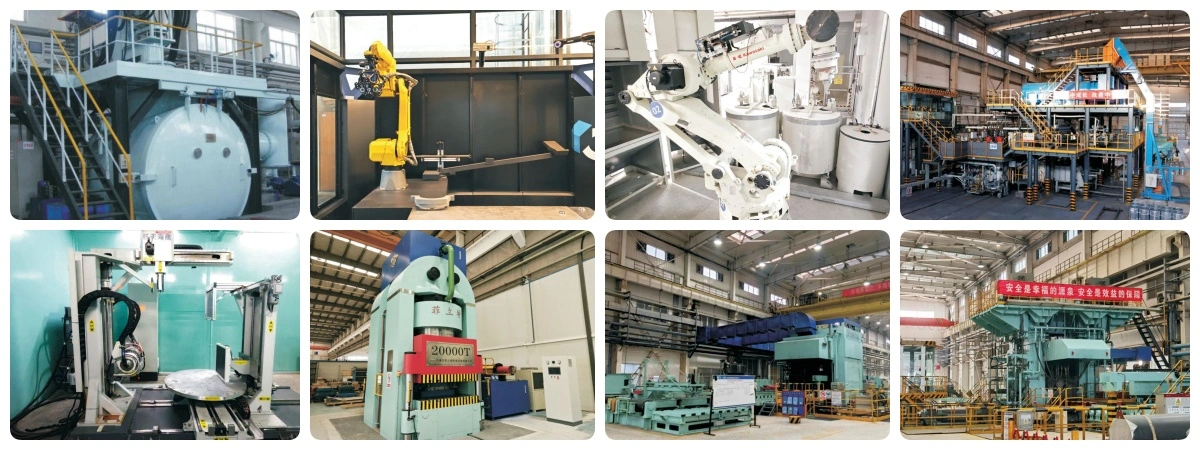
We have a fully integrated vertical industrial chain from titanium sponge, melting of ingot, forging of slab, hot and cold rolling, to processing of completed product. As a direct manufacturer, we offer one-stop supply services without intermediary linkages, so the batch quality is steady and the delivery cycle is regulated.
We provide OEM customisation including specific grades, exact measurements and customizable surface treatments. All purchases come with a 12-month official product guarantee. We provide process technical assistance, sample testing and order tracking services.
FAQ
Q1: Which titanium grade is suitable for skull cranial implant production?
A1: GR2 pure titanium is recommended for conventional mesh implants due to its formability and biocompatibility. Ti-6Al-4V ELI (GR5 ELI) is more suitable for personalized patient-specific implants that require higher mechanical strength.
Q2: What thickness specifications are available for medical-grade titanium plates?
A2: Cold-rolled plates range from 0.4mm to 4.0mm, and hot-rolled plates cover 2.5mm to 60mm. We support non-standard customized dimensions according to your implant design drawings.
Q3: Can you provide complete material traceability documents?
A3: Yes. Every shipment is equipped with full certification files including heat number, chemical composition, mechanical properties and standard compliance data to realize full production chain traceability.
Q4: What international standards do your medical titanium materials comply with?
A4: Our products meet ASTM, ASME, AMS, GB, GJB, DIN, JIS and other mainstream international standards, which can match different regional medical regulatory certification requirements.
Q5: Do you support OEM customization for medical device manufacturers?
A5: Yes. We provide customized size, grade and surface processing services for titanium plates and strips, with flexible MOQ and delivery schemes to support OEM mass production.
Contact Us
If you need to purchase medical-grade Skull Titanium Plate for neurosurgical cranioplasty and implant manufacturing, please contact our professional technical and sales team via srt@sunrui-ti.com.
