Titanium Mesh
Titanium's exceptional corrosion resistance and highest strength-to-weight ratio of any metal allow use across many fields, such as chemicals and electronics.
Typical uses:
It serves widely as titanium anodes and filter elements in the chlor-alkali industry and related chemical sectors.
Titanium Mesh for Industrial & Electrochemical Applications — Lightweight, Corrosion-Resistant Solutions
Titanium Mesh is a high-performance porous metal material, fabricated from commercial pure titanium and titanium alloys via professional wire weaving, plate expansion and chemical etching processes. Our base raw materials adopt ASTM B265 compliant Grade 1 and Grade 2 titanium sheets, featuring strength-to-weight ratio and self-repairing TiO₂ oxide protective layer. These core properties make Titanium a alternative to traditional steel and nickel materials, widely used in electrochemical equipment, precision filtration systems and various harsh industrial scenarios. Backed by 60 years of professional titanium manufacturing experience, Sunrui Titanium provides standardized and customized expanded & stamped mesh products with full-process quality control and stable batch consistency.
What Makes This Titanium Mesh Different
Commercial pure titanium has a density of 4.51 g/cm3 , which is much lighter than stainless steel, and can sustain stable mechanical strength under high temperature and mechanical stress circumstances. The natural passive oxide coating on the surface of the mesh may provide stable corrosion resistance in a broad range of pH from 1 to 12, to provide long-term stable operation in saltwater, wet chlorine and chlorite solution environment where conventional metals are easily corroded and failed quickly.
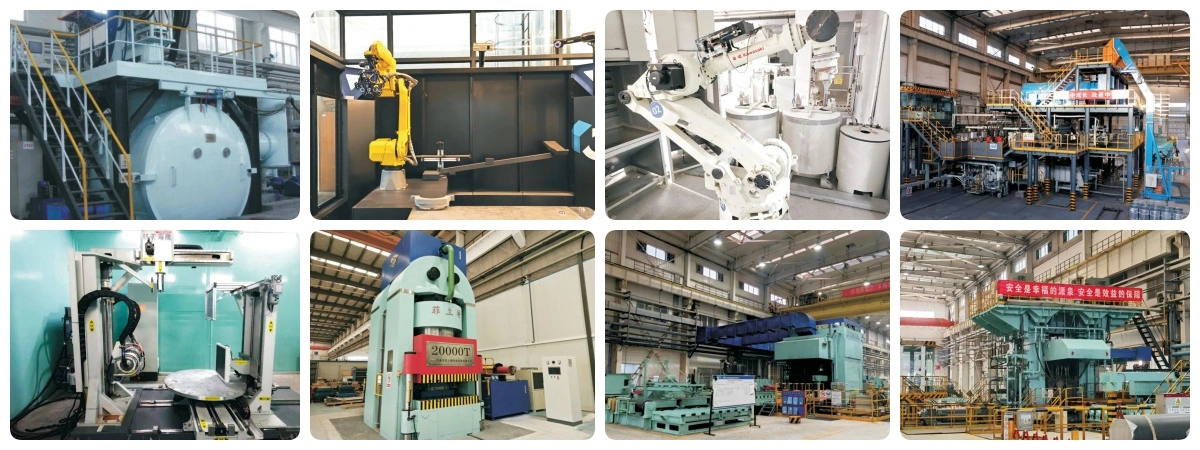
Titanium is chemically active at high temperatures and readily interacts with oxygen, nitrogen and carbon in the air. Thus, it has to be accurately selected and produced under highly regulated conditions. Sunrui Titanium has vacuum heat treatment furnaces and ultrasonic testing equipment. The whole manufacturing process is closely controlled to ensure that all the products of Titanium Mesh fulfill high requirements of dimensional tolerance and structural stability.
, Grade 1 and Grade 2 titanium has non-toxic, non-magnetic and biocompatibility, completely conforming to ISO 5832-3 criteria and appropriate to surgical treatment and precision medical device manufacturing situations.
Material Grades & Specifications
We offer a complete range of titanium grades and customizable sizes. All mesh products are processed from precision hot-rolled and cold-rolled titanium plates and coils via stamping and expansion molding, with stable substrate performance and diverse structural options.
| Parameter | Details |
|---|---|
| Base Material | Commercially pure titanium Gr1, Gr2; also Gr3, Gr4, Gr5, Gr7, Gr9, Gr12, Ti-6242, Ti-15333, SP-700, Ti-811, etc. |
| Standard | ASTM B265; also GB, GJB, ASME, AMS, DIN, JIS and enterprise standards |
| Cold Rolled Plate (source sheet) | Thickness: 0.4–4.0 mm; Width: 600–2,500 mm; Length: 1,000–4,000 mm |
| Hot Rolled Plate (source sheet) | Thickness: 2.5–60 mm; Width: 600–2,500 mm; Length: 1,000–8,000 mm |
| Cold Rolled Coil | Thickness: 0.4–4.0 mm; Width: 1,000–1,500 mm; Max coil weight: 6 ton |
| Hot Rolled Coil | Thickness: 3.0–12 mm; Width: 1,000–1,500 mm; Max coil weight: 7 ton |
| Aperture Shapes | Diamond, square, round |
| Mesh Count Range | 1–400 mesh |
| Manufacturing Method | Expanded (stamped sheet), woven wire |
Key Performance Advantages
The structural design and material properties of our titanium mesh bring tangible practical benefits for industrial and electrochemical projects:
Lightweight & High Structural Stability: Low material density effectively reduces the overall weight of supporting equipment and systems, while maintaining load-bearing capacity, perfectly adapting to lightweight design requirements of aerospace and marine engineering facilities.
Powerful Corrosion Resistance: The surface passive TiO₂ oxide layer has self-repairing capability. It can remain chemically inert in long-term acidic, alkaline and high-chloride environments, avoiding corrosion failure of traditional metal materials.
Good Secondary Processability: Featuring weldability and machinability, the mesh supports customized cutting, welding and forming processing. Our complete rolling and processing production lines meet diverse downstream precision fabrication demands.
High Thermal Stability & Long Service Life: It maintains stable working performance in high-temperature filtration and electrochemical environments. With resistance to thermal cycle fatigue and chemical erosion, it reduces equipment replacement frequency and effectively lowers overall operation and maintenance costs.
Where Titanium Mesh Performs Best
hlor-Alkali & Electrochemical Industry: This is the most mature application scenario for titanium screen. After being coated with ruthenium-iridium, iridium-tantalum and other MMO functional coatings, expanded titanium screen can be made into DSA dimensionally stable anodes. Its grid structure maximizes electrode reaction area, optimizes gas discharge effect, ensures stable working voltage, and achieves lower energy consumption than traditional graphite and lead alloy anodes.
Chemical Filtration: Serving as precision filter elements for harsh chemical working conditions, it stably resists oxidation acid and chloride solution erosion, solving the aging and failure problems of polymer and steel filter materials.
Electroplating & Industrial Containment: Custom titanium baskets made of ASTM B265 Grade 1 and Grade 2 materials effectively avoid current loss and solution contamination, with far more stable performance than coated steel baskets.
Aerospace & Marine Engineering: Combining lightweight, high-strength and seawater corrosion-resistant properties, it is widely used in fluid management and filtration systems of offshore and aerospace equipment.
Medical & Dental Devices: Grade 1 and Grade 2 titanium screens meet strict biocompatibility standards, commonly used in oral guided bone regeneration (GBR) and other precision surgical implant scenarios.

Quality Control & Certifications
All our titanium screen products undergo full-process quality monitoring, including ultrasonic nondestructive testing, precision dimensional inspection and complete material traceability management. Every production link from raw material incoming inspection to finished product delivery is strictly controlled to ensure stable batch quality.
Sunrui Titanium holds authoritative international certifications including AS9100, NADCAP, PED, ABS, TUV and NORSOK, fully meeting the quality access standards of aerospace, marine, pressure equipment and offshore engineering industries. We support OEM processing and non-standard customized production to match customers’ exclusive project requirements.

FAQ
Q1: What is the difference between expanded titanium screen and woven titanium screen?
A1: Expanded screen is integrally stamped and stretched from a single titanium sheet with no splicing joints, offering higher structural rigidity and conductivity, ideal for electrochemical anode applications. Woven screen is interwoven with titanium wires, featuring finer apertures and higher precision, more suitable for precision filtration scenarios.
Q2: Can titanium screen work in hydrochloric acid environments?
A2: Pure titanium screen performs well in oxidizing environments, but has limited tolerance for concentrated hydrochloric acid. We can recommend matched titanium grades and professional surface treatment solutions according to your actual working conditions.
Q3: What is the maximum working temperature of titanium screen for filtration?
A3: The screen can maintain stable structural and electrochemical performance at 400°C–500°C. Excessively high temperatures will accelerate surface oxide layer growth and affect conductivity, requiring targeted working condition evaluation.
Q4: Are Grade 1 and Grade 2 titanium screens suitable for long-term medical implantation?
A4: Yes. Both grades are non-toxic and non-magnetic, compliant with ISO 5832-3 biocompatibility standards, and can be safely used for long-term medical implantation and oral repair procedures.
Q5: What are the available customization options for titanium screen?
A5: We support full customized services including material grade, substrate thickness, aperture shape, mesh count, overall size and secondary processing. All customized products can provide complete qualification documents and quality certificates.
Contact Us
If you are looking for high corrosion resistance, long-life Titanium Mesh for electrochemical, chemical, marine and medical projects, please contact our professional technical team via srt@sunrui-ti.com.
