Titanium Plate Surgery
Slab
Forged slab: (70~300)x1400x10000
EB ingot: 200x1290/1090x(1000~6200)
Hot rolled plate: (2.5~60)x(600~2500)x(1000~8000)
Cold rolled plate: (0.4~4.0)x(600~2500)x(1000~4000)
Hot rolled coil: (3.0~12)x(1000-1500), max coil weight 7 ton
Cold rolled coil: (0.4~4.0)x(1000~1500), max coil weight 6 ton
Material Grade: GR1, GR2, GR3, GR4, GR5, GR6, GR7, GR9(AB-5), GR12, Ti-811, Ti-15333, SP- 700, Ti-6242, etc.
Specs: GB, GJB, ASTM, ASME, AMS, DIN, JIS standards or industry standards and enterprise standards
Titanium Plate Surgery Grade Medical Titanium Sheet — Precision-Engineered for Surgical Implant Performance
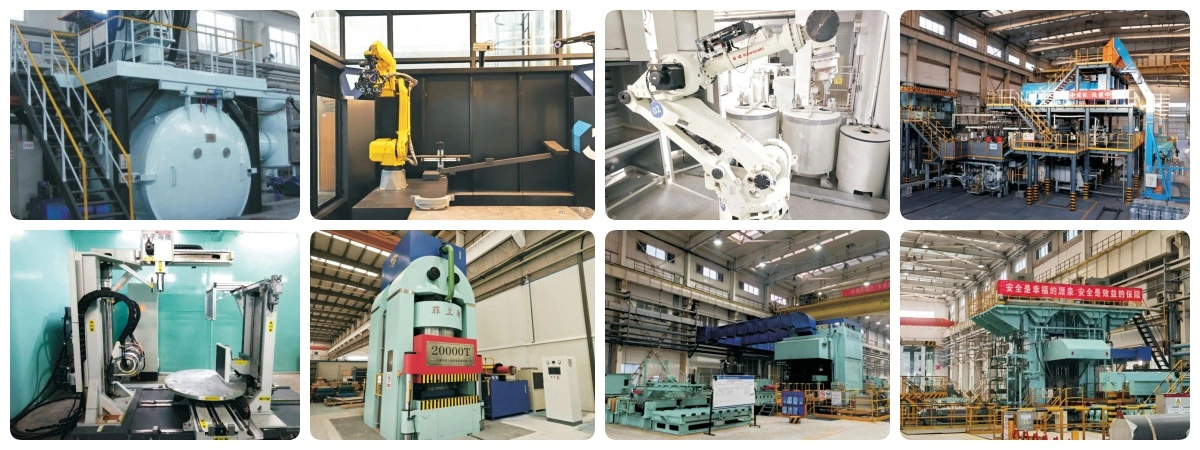
Titanium Plate Surgery requires premium raw materials that fully comply with strict industry standards for biocompatibility, dimensional tolerance and mechanical stability. Backed by 60+ years of professional titanium manufacturing experience inherited from CSSC research institute, Luoyang Sunrui Titanium Precision Casting Co., Ltd. specializes in supplying custom medical titanium sheets and strips exclusively for surgical implant production. Our product lineup covers mainstream medical grades including GR1, GR2 and GR5 (Ti-6Al-4V ELI). With cold rolled thickness starting from 0.4 mm and hot rolled plates up to 60 mm, all our Titanium grade materials conform to GB, ASTM, AMS and other authoritative international standards, serving global medical device manufacturers steadily.
What Is Titanium Plate Surgery and Why Does Material Quality Matter?
Titanium surgery materials may be better at solving a number of clinical problems than traditional fixing implants made of stainless steel. It stops stress protection issues that lead to bone density loss from implants that are too stiff, gets rid of metal allergy risks from bad biocompatibility, and greatly reduces imaging interference in MRI and CT scans done after surgery.
Titanium's value of elasticity is a lot like that of human cortical bone. It might spread the stress evenly across the bone tissue around the implant, speed up osseointegration, and make implant fixation much less likely to fail. Titanium Plate Surgery, on the other hand, is not magnetic, so there aren't many artifacts on x-rays. This makes it easier for doctors to do a clear and accurate post-operative evaluation. So, the performance of surgery implants and the clinical healing effect are directly related to the quality of the raw medical titanium sheets.
Key Material Properties for Surgical Plate Applications
stability and dependability, Sunrui medical titanium sheets and strips have everything that is needed to make surgery implant devices and more.
Fits with living things and is safe for them Unlike steel alloys, medical titanium is safe and won't cause allergies. It also doesn't contain any nickel, so it doesn't cause metal sensitivity problems. There are no bad immune or inflammation reactions to it being inserted permanently for a long time, and it can integrate with human bone tissue over time.
Advantages: Titanium is much lighter than stainless steel and has a much higher strength-to-weight ratio. Very thin micro-plates make it possible to stabilize fragile facial bones without putting more pressure on tissue or giving the impression of a foreign body. This benefit is very important in craniomaxillofacial surgery.
Actual Resistance to Corrosion Electricity and chemicals in the body are very complicated and can damage it. Titanium can form a thick layer of self-healing oxide (TiO2) on its surface. This layer can effectively protect implanted devices from wear and tear over time and ensures their long-term durability.
Instability and Fatigue With repeated physiological cyclic loads, our titanium medical sheets keep their mechanical performance. As long as the bone is healing, the high-load surgery implants like femoral and tibial locking compression plates (LCP) can handle constant stress without breaking or distorting.
Sunrui's titanium raw materials can be precisely cut, bent, shaped, and welded under standard working conditions, making them perfect for making custom surgery plates. Ti-6Al4V is very active at high temperatures, so it needs to be worked on in a vacuum or with inert gas to keep it pure and stop it from reacting with other elements.
Titanium Plate Surgery Specifications
| Parameter | Details |
|---|---|
| Forged Slab | (70–300) × 1400 × 10000 mm |
| EB Ingot | 200 × 1290/1090 × (1000–6200) mm |
| Hot Rolled Plate | (2.5–60) × (600–2500) × (1000–8000) mm |
| Cold Rolled Plate | (0.4–4.0) × (600–2500) × (1000–4000) mm |
| Hot Rolled Coil | (3.0–12) × (1000–1500) mm, max coil weight 7 ton |
| Cold Rolled Coil | (0.4–4.0) × (1000–1500) mm, max coil weight 6 ton |
| Material Grades | GR1, GR2, GR3, GR4, GR5, GR6, GR7, GR9 (AB-5), GR12, Ti-811, Ti-15333, SP-700, Ti-6242, etc. |
| Standards | GB, GJB, ASTM, ASME, AMS, DIN, JIS, and enterprise standards |
Surgical Application Scenarios
Our high-precision medical titanium sheets and strips are extensively utilized in three main high-precision surgical disciplines, offering dependable raw material support for high-end implant manufacturing:
Craniomaxillofacial Trauma & Reconstruction : Comminuted fractures of the mandible, maxilla and orbital bones are treated with minimally invasive fixation using ultra-thin titanium micro-plates. Titanium sheets are cold-rolled, 0.4mm+ thick for low-profile implantation, preventing excessive tissue extrusion and keeping steady fixing effect.
Neurosurgical Cranioplasty: Large skull defects caused by decompressive craniectomy are repaired with custom titanium mesh and 3D shape plates. Our materials have consistent texture and strict dimensional tolerances, can withstand variations in intracranial pressure and provide long-term safety protection for nerve tissues.
The main raw materials of orthopedic extremity fixation Locking compression plates (LCP) are high-fatigue titanium materials, and they are extensively used for distal radius, clavicle, femoral and tibial fracture fixing. The density of the material and the surface quality are stable. The locking structure may provide fixed-angle support. It is highly ideal for osteoporotic bone fixation situations.

Quality Control and Supply Reliability
Sunrui Titanium Plate Surgery has passed authoritative worldwide certifications such as AS9100, NADCAP, PED, ABS, TUV and NORSOK. All medical grade titanium materials use full-process quality monitoring, including ultrasonic fault identification, precise dimensional inspection and mechanical performance testing. Each batch of goods has traceability, complete certification certificates, completely satisfying the criteria of the medical device sector.
We keep a substantial stock of semi-finished goods to enable bulk buying on a big scale and regular batch delivery. Custom OEM services for custom sizes, grades and surface treatments to meet your personalized implant design specifications.

FAQ
Q1: What titanium grades are best for surgical plate production?
A1: GR2 pure titanium and GR5 Ti-6Al-4V ELI alloy are the most mainstream choices. GR2 features formability for ultra-thin micro-plates, while GR5 delivers higher strength for load-bearing orthopedic fixation implants.
Q2: Will medical titanium plates interfere with postoperative MRI scanning?
A2: No. Titanium is non-ferromagnetic and fully MRI-safe. It produces far fewer imaging artifacts than stainless steel and cobalt-chrome alloys, ensuring clear and accurate postoperative imaging results.
Q3: Can titanium surgical plates be permanently implanted in the human body?
A3: Yes. Thanks to biocompatibility and in-vivo corrosion resistance, titanium plates can be implanted permanently without chronic rejection or tissue damage, and routine removal is unnecessary for adult patients.
Q4: How to prevent galling between titanium plates and screws?
A4: Galling can be effectively avoided by adopting Type II anodized surface treatment or matching different alloy grades, such as pairing GR5 titanium screws with GR2 pure titanium plates to reduce friction and cold welding risks.
Q5: What standard regulates titanium surgical plate fatigue performance?
A5: All fatigue performance tests comply with ASTM F382 standards. Stable raw material quality and flat surface finish are essential to avoid micro-cracks caused by repeated bending during surgical application.
Q6: Do you support custom-sized titanium sheets for special implant designs?
A6: Yes. We provide full customized services including exclusive dimensions, material grades and surface finishes to adapt to various personalized surgical implant design solutions.
Contact Us
If you are sourcing high-precision, medical-certified Titanium Plate Surgery grade titanium sheets for surgical implant manufacturing, please contact our professional technical sales team via srt@sunrui-ti.com.
